
- Revolutionary https://kingdomcasinos1.co.uk in gaming and leisure
- Architectural Foundations of Modern Digital Hubs
- The Role of Latency in User Retention
- Scalability and Resource Management
- Comparative Analysis of Platform Features
- Essential Elements of User Engagement
- Key Drivers of Digital Interest
- Onboarding and User Integration Processes
- Step-by-Step Account Setup
- The Importance of Regulatory Compliance and Integrity
- Advanced Technologies Shaping Future Leisure
Revolutionary https://kingdomcasinos1.co.uk in gaming and leisure
The landscape of digital entertainment has undergone a massive transformation over the last decade, moving from simple interfaces to complex, immersive ecosystems. Modern users demand more than just a functional site; they seek an environment that provides stability, aesthetic appeal, and a sense of security. When exploring the capabilities of https://kingdomcasinos1.co.uk, one notices how the integration of high-speed technology meets the psychological needs of leisure seekers. This intersection of engineering and entertainment defines the current era of online interaction, where every millisecond of latency matters and every visual element serves a specific purpose in maintaining user engagement.
Navigating through such a vast digital territory requires a certain level of digital literacy and an understanding of how modern platforms manage data and user experience. The shift toward centralized hubs for gaming has changed how people spend their downtime, moving away from physical locations toward highly optimized web environments. These platforms are no longer just repositories for games; they are sophisticated software suites designed to handle massive concurrent traffic while maintaining a seamless flow of information. As we look deeper into the mechanics of these systems, it becomes clear that the architecture behind the scenes is just as important as the front-end graphics that captivate the eyes of the audience.
Architectural Foundations of Modern Digital Hubs
Building a robust platform that can handle millions of requests requires a deep understanding of server-side logic and client-side responsiveness. The backbone of any successful online gaming environment is its ability to scale dynamically based on user demand. If a platform fails to adjust its resources during peak hours, the resulting lag can destroy the user experience entirely. Developers must implement load balancing algorithms that distribute traffic across multiple nodes to ensure that no single server becomes a bottleneck. This technical rigor is what separates professional-grade platforms from amateur websites that struggle under even moderate pressure.
Furthermore, the integration of advanced encryption protocols is non-negotiable in the modern age. Every piece of data sent between the user and the server must be protected by layers of security that prevent unauthorized interception. This includes everything from personal identification details to the transactional data used for credits and withdrawals. Without this foundational trust, even the most visually stunning platform will fail to retain a loyal user base. The focus has shifted from mere functionality to a holistic approach where security and performance are treated as twin pillars of the entire digital structure.
The Role of Latency in User Retention
Latency is perhaps the most critical metric in the world of real-time digital interaction. When a user performs an action, such as clicking a button or placing a bet, they expect an immediate response. Any delay, even if it is only measured in milliseconds, can break the sense of immersion and lead to frustration. High-performance platforms utilize Content Delivery Networks (CDNs) to bring data closer to the end user geographically. By caching heavy assets on edge servers, the platform reduces the physical distance data must travel, thereby slashing the round-trip time and providing a snappy, responsive feel that keeps players engaged for longer periods.
Scalability and Resource Management
As a platform grows, its infrastructure must evolve to meet the increasing complexity of its offerings. This often involves moving from traditional monolithic architectures to microservices. In a microservices model, different functions of the website—such as the payment gateway, the game engine, and the user profile management—operate as independent entities. This modularity allows developers to update or repair one part of the system without taking the entire platform offline. It also enables much more efficient scaling, as resources can be allocated specifically to the modules that are currently experiencing the highest load, ensuring optimal performance across the board.
Comparative Analysis of Platform Features
When evaluating different digital leisure environments, it is helpful to look at specific metrics that define their quality. Users often find themselves comparing various sites to see which one offers the best balance of speed, variety, and reliability. A systematic approach to this comparison can save time and help in making informed decisions about where to spend leisure time. Below is a representation of how different service levels might compare in a standard digital gaming environment.
| Response Time | Moderate | Instantaneous |
| Game Variety | Limited | Extensive |
| Support Availability | Scheduled | 24/7 Real-time |
| Security Protocols | Basic SSL | Multi-layer Encryption |
This comparison highlights the gap between basic web services and high-end digital ecosystems. While a standard tier might satisfy a casual user looking for a quick distraction, the premium tier is designed for those who demand excellence in every aspect of their digital journey. The difference in response time and support availability can be the deciding factor for serious enthusiasts who rely on the platform for consistent entertainment and peace of mind.
Essential Elements of User Engagement
Engagement is not something that happens by accident; it is the result of careful psychological design and intuitive user interfaces. A platform must guide the user through a journey that feels natural and rewarding. This involves everything from the way menus are laid out to the subtle animations that occur when a user completes a task. If a site is difficult to navigate, users will leave before they even realize they are frustrated. Therefore, UX (User Experience) designers spend countless hours testing different layouts to find the one that minimizes cognitive load while maximizing interest.
Another key component is the variety of content offered. A platform that only provides one type of interaction will quickly become stale. To maintain long-term interest, a digital hub must constantly refresh its library of activities and features. This could mean adding new game titles, introducing seasonal events, or implementing new social features that allow users to interact with one another. The goal is to create a living ecosystem that feels dynamic and constantly evolving, rather than a static website that remains unchanged for months at a time.
Key Drivers of Digital Interest
What keeps a person coming back to a specific site? Often, it is a combination of several psychological triggers. These include the desire for novelty, the thrill of competition, and the feeling of progress. When a platform implements a leveling system or rewards users for their consistency, it taps into these fundamental human drivers. By providing small, frequent rewards, the platform creates a loop of positive reinforcement that encourages continued use. This is a standard practice in modern software design, used across gaming, social media, and even productivity apps.
- Interactive visual feedback that responds to every user action.
- A diverse selection of themes and aesthetic styles to suit different moods.
- Seamless integration of social elements like leaderboards or chat functions.
- Regular updates and new content releases to prevent boredom.
- Intuitive navigation that makes finding specific content effortless.
These elements work together to build a sense of community and personal investment within the platform. When a user feels that they are part of something larger than just a solitary browsing session, their loyalty to the service increases significantly. This is why the social aspects of modern gaming platforms are becoming just as important as the games themselves.
Onboarding and User Integration Processes
The first few minutes of a user's interaction with a new platform are the most critical. This is the onboarding phase, where the user forms their initial impression of the brand. A complicated registration process or a confusing tutorial can lead to immediate abandonment. Therefore, successful platforms prioritize a frictionless entry. This often involves simplified sign-up forms, social media integration for one-click logins, and clear, concise instructions on how to use the site's primary features. The objective is to get the user into the core experience as quickly as possible.
Once the user is inside, the platform must continue to guide them through its various offerings. This is often achieved through "progressive disclosure," a design technique where information is only shown to the user when it is relevant. Instead of overwhelming a newcomer with every single feature at once, the platform introduces them to the basics first. As the user becomes more proficient, more advanced tools and settings are revealed. This method prevents the feeling of being overwhelmed and allows for a much smoother learning curve.
Step-by-Step Account Setup
To ensure that even the least tech-savvy individuals can join a platform like https://kingdomcasinos1.co.uk, the process must be broken down into manageable steps. A well-structured onboarding flow usually follows a logical progression that minimizes errors and maximizes completion rates. Following these steps ensures that the user is set up for a secure and enjoyable experience from the very beginning.
- Select the registration option from the main landing page.
- Provide the necessary credentials such as email and a secure password.
- Verify your identity through a quick email or SMS confirmation link.
- Complete the profile setup by choosing preferred notification settings.
- Explore the interface and familiarize yourself with the navigation menu.
By standardizing this process, developers can ensure that the entry point is consistent for everyone. This also allows them to collect data on where users might be dropping off, enabling continuous improvement of the sign-up flow. A highly optimized onboarding process is one of the most effective ways to boost the conversion rate from casual visitor to registered member.
The Importance of Regulatory Compliance and Integrity
In the realm of digital leisure and gaming, integrity is the currency of the industry. Users must be able to trust that the outcomes they experience are fair and that their funds are handled with the utmost care. This trust is built through adherence to strict regulatory frameworks and the implementation of verifiable random number generators. Without these mathematical guarantees, the entire concept of online gaming would collapse, as users would have no reason to believe they aren't being manipulated by the software. Transparency in how games operate is essential for long-term viability.
Moreover, compliance extends beyond the technical aspects of the games to include how user data is managed and how responsible gaming practices are enforced. Modern platforms are expected to provide tools that allow users to monitor their own activity and set limits if they feel their leisure time is becoming excessive. This proactive approach to user well-being is not just an ethical requirement but also a regulatory one in many jurisdictions. By integrating these features, platforms demonstrate a commitment to creating a safe and sustainable environment for all participants.
The legal landscape for these services is also constantly shifting. As new laws are passed in different countries, platforms must be agile enough to adapt their operations to remain compliant. This requires a dedicated legal and compliance team that works closely with the technical developers. Ensuring that the platform meets the specific requirements of each region it operates in is a complex task, but it is a necessary part of running a global digital business. The ability to navigate these complexities is a hallmark of a mature and professional organization.
Advanced Technologies Shaping Future Leisure
Looking ahead, the integration of artificial intelligence and augmented reality promises to redefine what we consider "gaming and leisure." AI can be used to create highly personalized experiences, where the platform adapts its content and difficulty levels to suit the individual user's preferences and skill level. Imagine a system that knows exactly which type of game you enjoy most and suggests it just as you are looking for something new. This level of personalization will create even deeper levels of engagement and make digital hubs feel more like personal companions than mere websites.
Furthermore, the rise of virtual reality (VR) and augmented reality (AR) will move the digital experience from a 2D screen into a 3D space. Instead of looking at a website, users will step inside a virtual casino or a digital social lounge. This will fundamentally change the way we interact with digital content, making it a much more visceral and physical experience. While the technology is still maturing, the groundwork being laid today by platforms like https://kingdomcasinos1.co.uk ensures that the transition to these more immersive environments will be as seamless as possible for the existing user base.
The convergence of these technologies will likely lead to a new era of hyper-realistic digital environments. These will be places where the lines between reality and simulation become increasingly blurred. As processing power continues to grow and connectivity becomes even more ubiquitous, the potential for innovation in this sector is virtually limitless. The companies that succeed will be those that can balance this technological advancement with the fundamental human need for simplicity, security, and genuine entertainment.

Top rated
-
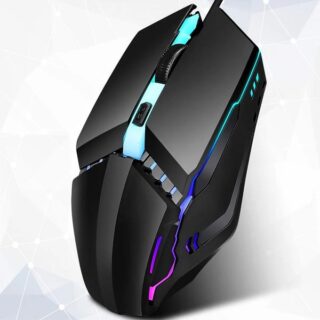 USB Wired Mouse, Advanced Ergonomic Design Gaming Mouse
Original price was: ₹400.00.₹175.00Current price is: ₹175.00.
-
 4 Port USB, HUB USB 2.0 HUB Splitter High Speed with On/Off Switch Multi LED Adapter
Original price was: ₹499.00.₹130.00Current price is: ₹130.00.
-
 Smart Bluetooth Speaker with Torch & Night Flashlight
Original price was: ₹550.00.₹279.00Current price is: ₹279.00.
-
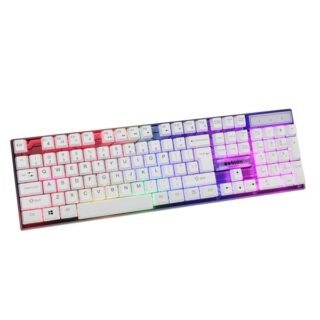 Zebion YAMA USB White Wired LED Gaming Keyboard with Splash Resistance & 104 Rainbow Backlit Keys
Original price was: ₹1,600.00.₹375.00Current price is: ₹375.00.
-
 Computer / Laptop USB Wired Colorful Optical Mouse
Original price was: ₹399.00.₹120.00Current price is: ₹120.00.
Products
-
 Portable Mini USB Humidifier with Silent Mist for Bedroom, Office & Travel
Original price was: ₹200.00.₹108.00Current price is: ₹108.00.
-
 Spiral Charger Spring Cable Protector Data Cable Saver (Pack of 4)
Original price was: ₹95.00.₹15.00Current price is: ₹15.00.
-
 Spiral Cable Protector Sleeve (1 Pc / Mix Color)
Original price was: ₹100.00.₹30.00Current price is: ₹30.00.
-
 USB Splitter Multi Port USB 2.0 Hub, 7 Port
Original price was: ₹599.00.₹170.00Current price is: ₹170.00.
-
 Dual USB Car Charger Fast Charging Adapter for Mobile Devices
Original price was: ₹1,050.00.₹186.00Current price is: ₹186.00.
Leave a Reply