
- Visual artistry for bonrushcasinos-unitedkingdom.co.uk and digital depth
- The Importance of Visual Hierarchy and Branding
- Color Psychology and User Response
- User Experience (UX) Design Principles
- The Role of Responsive Design
- The Significance of Website Speed and Performance
- Optimizing Images for Web Use
- The Power of Compelling Content
- Future Trends in Web Design and Digital Artistry
Visual artistry for bonrushcasinos-unitedkingdom.co.uk and digital depth
Navigating the digital landscape requires a keen eye for aesthetic appeal and functional depth. This is particularly true for online platforms aiming to capture and retain audience engagement. The presentation of information, the user experience, and the overall visual identity all contribute to a website’s success. Considering these aspects thoughtfully is crucial. Today, we’ll be exploring visual artistry and digital depth, referencing insights relevant to platforms like bonrushcasinos-unitedkingdom.co.uk as a case study in thoughtful online presentation.
The modern internet user expects more than just basic functionality. They demand a seamless, intuitive, and visually compelling experience. A well-designed website anticipates user needs, offers clear pathways to information, and ultimately, fosters trust and credibility. The ability to create a cohesive and impactful digital presence is a significant undertaking, requiring careful attention to detail and a strong understanding of design principles. Ultimately, this is what separates a standard online presence from an exceptional one.
The Importance of Visual Hierarchy and Branding
Visual hierarchy is the arrangement of elements in a way that implies importance. This directs the user’s eye to the most critical information first. Utilizing techniques like size, color, contrast, and spacing, a website can subtly guide visitors through its content. A strong visual hierarchy ensures that key messages aren't lost in a sea of information. Consider the use of headings and subheadings to break up text and create a clear structure. High-quality images and graphics also play a vital role, capturing attention and enhancing understanding. Consistent branding is also pivotal; the logo, color palette, typography, and imagery should all work together to create a cohesive identity that resonates with the target audience. The branding should be instantly recognizable and convey the core values of the organization. A discordant visual style can create confusion and undermine trust.
Color Psychology and User Response
Color plays a significant role in how users perceive a website. Different colors evoke different emotions and associations. For example, blue often conveys trust and reliability, while red can signify excitement or urgency. Understanding color psychology is essential for creating a website that resonates with its intended audience. The color scheme should be carefully chosen to complement the brand's identity and the website's purpose. Too many colors can be overwhelming, while a limited palette can feel bland. Accessibility must also be considered; ensuring sufficient contrast between text and background is crucial for users with visual impairments. A thoughtful approach to color can significantly enhance the user experience and improve brand perception. It also enables the creation of a visual identity that supports the overall goals of the platform.
| Blue | Trust, Reliability, Calm | Corporate websites, financial institutions |
| Red | Excitement, Energy, Urgency | Sales promotions, call-to-action buttons |
| Green | Nature, Growth, Health | Eco-friendly businesses, wellness brands |
| Yellow | Optimism, Happiness, Attention | Creative industries, positive messaging |
As illustrated above, careful consideration of colors and their connotations can have a marked effect. Implementing these insights can contribute to a more welcoming and persuasive online environment.
User Experience (UX) Design Principles
User Experience (UX) design focuses on creating a positive and intuitive experience for website visitors. This involves understanding user needs, behaviors, and motivations. A well-designed UX is seamless and effortless, allowing users to quickly find what they’re looking for. Key principles of UX design include usability, accessibility, and desirability. Usability refers to how easy it is for users to achieve their goals on a website. Accessibility ensures that the website is usable by people with disabilities. Desirability focuses on creating an aesthetically pleasing and engaging experience. Investing in UX design is a sound strategy; and platforms that prioritize UX are more likely to attract and retain users. This directly translates to improved conversion rates and increased brand loyalty. A poorly designed UX can lead to frustration, abandonment, and negative brand perception.
The Role of Responsive Design
In today’s multi-device world, responsive design is non-negotiable. Responsive design ensures that a website adapts seamlessly to different screen sizes and devices, from smartphones to tablets to desktops. This provides a consistent and optimal user experience, regardless of how the website is accessed. Google prioritizes mobile-first indexing, meaning that the mobile version of a website is used for ranking purposes. Therefore, having a responsive design is not only beneficial for users but also crucial for SEO. Testing the website on various devices and browsers is essential to ensure that it functions correctly and looks its best on all platforms.
- Mobile-First Approach: Design for mobile first, then scale up to larger screens.
- Flexible Grid Layouts: Use a grid system that adjusts to different screen sizes.
- Responsive Images: Optimize images for different resolutions to reduce loading times.
- Media Queries: Use CSS media queries to apply different styles based on screen size.
Adopting these techniques forms the cornerstone of user-centric web design, offering a desirable experience for all visitors, maximizing engagement, and implicitly supporting the objectives of platforms such as bonrushcasinos-unitedkingdom.co.uk.
The Significance of Website Speed and Performance
Website speed is a critical factor influencing user experience and search engine rankings. Slow-loading websites frustrate users and lead to higher bounce rates. Google considers page speed as a ranking signal, meaning that faster websites are more likely to rank higher in search results. Several factors can impact website speed, including image size, code complexity, server response time, and caching. Optimizing images, minifying code, leveraging browser caching, and choosing a reliable hosting provider can all contribute to improved performance. Regularly testing website speed using tools like Google PageSpeed Insights can help identify areas for improvement. It’s a continuous process of optimization and refinement. Furthermore, a fast and responsive website delivers a more professional and trustworthy impression.
Optimizing Images for Web Use
Images often contribute significantly to website file size. Optimizing images for web use involves reducing their file size without sacrificing quality. This can be achieved by compressing images, choosing the right file format (JPEG, PNG, GIF), and resizing images to the appropriate dimensions. Using image optimization tools can automate this process and ensure consistent quality. Lazy loading, a technique that loads images only when they are visible in the viewport, can also improve initial page load time. This is especially important for websites with a lot of images, such as e-commerce stores or photography portfolios. Effective image optimisation is a best practice of web development.
- Compress Images: Reduce file size without significant quality loss.
- Choose the Right Format: JPEG for photos, PNG for graphics with transparency.
- Resize Images: Scale images to the dimensions they will be displayed at.
- Use Lazy Loading: Load images only when they are visible.
Addressing these elements regarding speed and efficiency will offer a predictable positive effect on user satisfaction and retention, integral to the success of any digital venture.
The Power of Compelling Content
While visual appeal and UX design are crucial, compelling content is the heart of any successful website. Content should be informative, engaging, and relevant to the target audience. It should answer user questions, solve their problems, and provide value. Different types of content, such as blog posts, articles, videos, infographics, and podcasts, can all be used to attract and engage visitors. Content should be optimized for search engines using relevant keywords and phrases. However, it’s important to prioritize readability and user experience over keyword stuffing. Regularly updating content keeps the website fresh and relevant, encouraging repeat visits and improving search engine rankings. Authenticity and transparency are also essential; building trust with the audience is paramount.
Content is not merely text; it encompasses all elements that communicate a message, including visuals and interactive features. A holistic content strategy aligns with the overall business goals and provides a consistent brand voice. Analyzing website traffic and user behavior can provide valuable insights into what content resonates most with the audience. This allows for continuous refinement and optimization of the content strategy. Effective content marketing can establish a website as a thought leader in its industry and drive significant organic traffic.
Future Trends in Web Design and Digital Artistry
The world of web design is constantly evolving. Staying abreast of emerging trends is essential for maintaining a competitive edge. Artificial intelligence (AI) is starting to play a larger role in web design, automating tasks such as layout generation and content creation. 3D graphics and immersive experiences are becoming increasingly popular, particularly in the gaming and entertainment industries. Voice search and voice interfaces are also gaining traction, requiring designers to think about how users will interact with websites using their voice. Sustainability is another growing concern; designers are exploring ways to create more energy-efficient websites. Micro-interactions continue to refine the user experience, offering subtle feedback and engaging animations. These smaller details build an overall sense of polish and responsiveness.
The convergence of design and technology presents exciting opportunities for creating truly innovative and engaging digital experiences. The emphasis on personalization and customization will continue to grow. The ability to deliver tailored content and experiences based on individual user preferences will be a key differentiator. Platforms will increasingly need to prioritize accessibility and inclusivity, ensuring that their websites are usable by everyone, regardless of ability. Furthermore, the ethical considerations surrounding AI and data privacy will become increasingly important. The future of web design is about creating more human-centered and responsible digital experiences.

Top rated
-
 USB Wired Mouse, Advanced Ergonomic Design Gaming Mouse
Original price was: ₹400.00.₹175.00Current price is: ₹175.00.
-
 4 Port USB, HUB USB 2.0 HUB Splitter High Speed with On/Off Switch Multi LED Adapter
Original price was: ₹499.00.₹130.00Current price is: ₹130.00.
-
 Smart Bluetooth Speaker with Torch & Night Flashlight
Original price was: ₹550.00.₹279.00Current price is: ₹279.00.
-
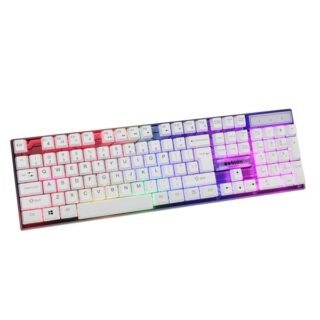 Zebion YAMA USB White Wired LED Gaming Keyboard with Splash Resistance & 104 Rainbow Backlit Keys
Original price was: ₹1,600.00.₹375.00Current price is: ₹375.00.
-
 Computer / Laptop USB Wired Colorful Optical Mouse
Original price was: ₹399.00.₹120.00Current price is: ₹120.00.
Products
-
 Portable Mini USB Humidifier with Silent Mist for Bedroom, Office & Travel
Original price was: ₹200.00.₹108.00Current price is: ₹108.00.
-
 Spiral Charger Spring Cable Protector Data Cable Saver (Pack of 4)
Original price was: ₹95.00.₹15.00Current price is: ₹15.00.
-
 Spiral Cable Protector Sleeve (1 Pc / Mix Color)
Original price was: ₹100.00.₹30.00Current price is: ₹30.00.
-
 USB Splitter Multi Port USB 2.0 Hub, 7 Port
Original price was: ₹599.00.₹170.00Current price is: ₹170.00.
-
 Dual USB Car Charger Fast Charging Adapter for Mobile Devices
Original price was: ₹1,050.00.₹186.00Current price is: ₹186.00.
Leave a Reply