
- Vibrant patterns from tradition to innovation through luckywave design and cultural impact
- The Historical Roots of Luckywave Aesthetics
- Understanding the Symbolism
- Luckywave in Modern Design Applications
- The Digital Evolution of the Style
- The Impact of Luckywave on Cultural Representation
- Navigating Cultural Sensitivity
- The Future Trajectory of Luckywave Design
- Expanding Applications in Experiential Design
Vibrant patterns from tradition to innovation through luckywave design and cultural impact
The world of design is constantly evolving, drawing inspiration from diverse cultural sources. Among the more captivating and increasingly prominent aesthetic movements is that surrounding luckywave, a visual language that blends traditional motifs with modern sensibilities. This unique style, evocative of both fortune and innovation, is rapidly gaining traction across various creative industries, from fashion and graphic design to digital art and interior decoration. It’s a fascinating example of how cultural heritage can be reinterpreted and reimagined for contemporary audiences, and its growing popularity reflects a broader desire for meaningful and visually engaging experiences.
At its core, luckywave draws heavily from East Asian artistic traditions, particularly those associated with symbolism linked to good luck, prosperity, and longevity. However, it’s not merely a replication of these traditional aesthetics. Instead, luckywave represents a dynamic fusion – a playful and often vibrant reinterpretation that incorporates modern design principles, such as bold color palettes, geometric abstraction, and digital manipulation techniques. This blending of old and new is what gives luckywave its distinctive appeal and makes it so relevant to a generation seeking authenticity and originality in a visually saturated world.
The Historical Roots of Luckywave Aesthetics
The artistic origins of what we now recognize as luckywave can be traced back centuries to East Asian artistic traditions, especially those prevalent in China, Japan, and Korea. For generations, these cultures have carefully curated visual languages imbued with symbolic meaning. Certain patterns, colors, and imagery were – and continue to be – associated with fortune, happiness, and warding off ill omens. For example, the recurring motif of the wave itself, frequently depicted in Japanese art like Hokusai’s "The Great Wave off Kanagawa," symbolizes strength, resilience, and the ebb and flow of life. This isn’t merely decorative; it’s a deeply ingrained cultural narrative expressed visually. The use of specific floral arrangements, such as plum blossoms representing perseverance through winter, or bamboo symbolizing integrity and resilience, further reinforces this layer of meaning.
Understanding the Symbolism
Delving deeper into the symbolism, one finds a rich tapestry of interconnected meanings. The koi fish, particularly valued in Chinese culture, represents perseverance, ambition, and good fortune because of its ability to swim upstream. Similarly, the crane is a symbol of longevity and wisdom, while the dragon embodies power, success, and good luck. These symbols aren't chosen at random; they all contribute to a broader cultural lexicon communicating aspirations and beliefs. Understanding these historical roots is crucial when appreciating the contemporary interpretations found in the luckywave aesthetic. They are the foundation upon which modern designers are building, reinterpreting, and innovating.
| Wave | Strength, Resilience, Life's Flow |
| Koi Fish | Perseverance, Ambition, Good Fortune |
| Crane | Longevity, Wisdom |
| Dragon | Power, Success, Good Luck |
The contemporary adoption of these symbols isn’t simply about aesthetic appeal. It’s about tapping into a collective cultural consciousness and leveraging the positive associations these motifs evoke. Designers are consciously utilizing these visual cues to create work that resonates on a deeper level and conveys a sense of optimism and good fortune.
Luckywave in Modern Design Applications
Today, luckywave design principles are manifesting in a variety of creative fields. In graphic design, we see the incorporation of traditional wave patterns, stylized koi fish, and vibrant color palettes inspired by East Asian art. This influence isn't limited to purely illustrative work; it extends to typography, layout, and overall branding. Many brands are subtly incorporating luckywave elements into their identity to project an image of trustworthiness, prosperity, and cultural sensitivity. The fashion industry has also embraced the aesthetic, with designers featuring luckywave-inspired prints on clothing, accessories, and footwear. The combination of traditional motifs and contemporary silhouettes makes these designs feel both familiar and refreshingly new. This is particularly evident in streetwear and high-end fashion collections that are exploring themes of cultural fusion.
The Digital Evolution of the Style
The advent of digital art and animation has further propelled the spread of the luckywave aesthetic. Digital artists are using software to create mesmerizing animations of swirling waves, glowing koi fish, and dynamic visual patterns. These animations often incorporate glitch effects and other modern design techniques, creating a visually striking blend of tradition and technology. The use of looping animations and vibrant color gradients contributes to a sense of movement and energy, reflecting the dynamic nature of the underlying cultural symbolism. Social media platforms, like Instagram and TikTok, have become important venues for showcasing this digital artwork, amplifying its reach and influence.
- Incorporation of traditional wave patterns in branding.
- Stylized representations of lucky symbols like koi fish.
- Vibrant color palettes derived from historical East Asian art.
- Use of looping animations and glitch effects in digital art.
This digital evolution has also led to a democratization of the style, allowing accessibility to a wider range of creators. No longer limited to traditional art forms, luckywave is now shaping the virtual landscape.
The Impact of Luckywave on Cultural Representation
The rise of luckywave raises important questions about cultural appropriation versus appreciation. While the aesthetic draws heavily from East Asian traditions, its widespread adoption by designers from diverse backgrounds raises concerns about the potential for misrepresentation or commodification of cultural heritage. It’s crucial for designers to approach the style with sensitivity and respect, acknowledging its origins and avoiding superficial interpretations. Responsible design practices require a thorough understanding of the cultural context and a commitment to representing these symbols with authenticity and intention. This means going beyond simply adopting visual elements and engaging with the deeper meanings and histories behind them. It includes proper research, collaboration with individuals from the cultures of origin, and a willingness to learn and adapt.
Navigating Cultural Sensitivity
One key aspect of navigating cultural sensitivity is to move beyond surface-level aesthetics and delve into the nuanced meanings embedded within the symbolism. For instance, simply using a koi fish image without understanding its cultural significance can diminish its importance and reduce it to a mere decorative element. Instead, designers should strive to understand the symbolism within its context and incorporate it in a way that honors its heritage. Collaboration with artists and cultural experts from the relevant traditions can provide invaluable insights and ensure respectful representation. Furthermore, acknowledging the source of inspiration and giving credit where it’s due is a crucial step in fostering genuine appreciation and avoiding unintended harm.
- Conduct thorough research on the historical and cultural context.
- Collaborate with individuals from the cultures of origin.
- Avoid superficial interpretations that trivialize the symbolism.
- Give credit to the cultural source of inspiration.
When approached with respect and understanding, luckywave can serve as a powerful tool for cultural exchange and appreciation. It can foster dialogue, promote understanding, and celebrate the rich diversity of artistic traditions.
The Future Trajectory of Luckywave Design
Looking ahead, luckywave appears poised to maintain its momentum as a significant design trend. We can anticipate even more innovative applications of the aesthetic, particularly as technology continues to evolve. The integration of artificial intelligence (AI) and generative design tools will likely unlock new possibilities for creating intricate and dynamic luckywave patterns. We may also see a greater emphasis on sustainable design practices, with designers utilizing eco-friendly materials and production methods to create environmentally responsible luckywave-inspired products. As cultural exchange continues to accelerate, we can predict a cross-pollination of ideas and a further fusion of different aesthetic traditions.
The inherent optimism and positive symbolism associated with luckywave will continue to resonate with audiences seeking meaning and inspiration in a complex world. The aesthetic’s ability to bridge the gap between tradition and innovation, and between different cultures, makes it uniquely adaptable and enduring. The influence of this style will be seen across an increasing number of design disciplines and creative industries, shaping the visual landscape in the years to come.
Expanding Applications in Experiential Design
Beyond its impact on visual aesthetics, the principles of luckywave are beginning to influence the realm of experiential design. Imagine immersive installations that utilize projections of swirling waves and shimmering koi fish to create a sense of tranquility and renewal. Or interactive art exhibits that respond to the movements of visitors, transforming their interactions into dynamic displays of good fortune. These experiences move beyond passive observation and invite active participation, fostering a deeper connection between the audience and the underlying cultural symbolism. This direction signifies a growing trend towards designing spaces that not only look beautiful but also feel meaningful and evoke positive emotions.
The application of luckywave in experiential design is opening up exciting new avenues for storytelling and cultural exchange. By creating immersive environments that celebrate tradition and innovation, designers are offering audiences a unique opportunity to connect with cultural heritage in a fresh and engaging way. This transformative approach to design is blurring the boundaries between art, technology, and culture, creating compelling experiences that leave a lasting impression.

Top rated
-
 Wireless Bluetooth Speaker 5W High Bass with Wireless Mic / Microphone
Original price was: ₹2,250.00.₹1,150.00Current price is: ₹1,150.00.
-
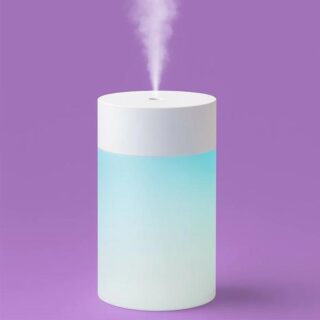 Portable Mini USB Humidifier with Silent Mist for Bedroom, Office & Travel
Original price was: ₹200.00.₹108.00Current price is: ₹108.00.
-
 Wired USB Keyboard 107 Keys & Mouse Set (2 Pc Set)
Original price was: ₹700.00.₹335.00Current price is: ₹335.00.
-
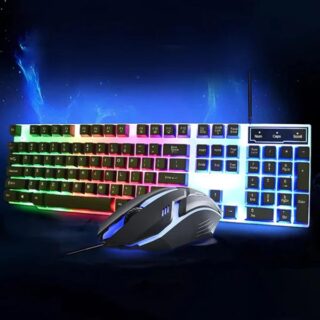 104 Key Colorful Lighting Keyboard Mouse Set (2 Pc Set)
Original price was: ₹1,000.00.₹600.00Current price is: ₹600.00.
-
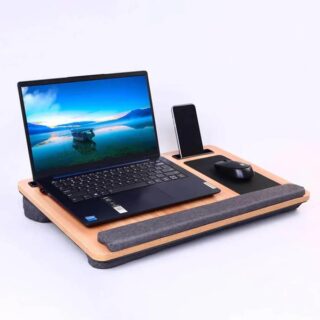 Portable Laptop Table with Mouse Pad
Original price was: ₹830.00.₹470.00Current price is: ₹470.00.
Products
-
Portable Mini USB Humidifier with Silent Mist for Bedroom, Office & Travel
Original price was: ₹200.00.₹108.00Current price is: ₹108.00.
-
 Spiral Charger Spring Cable Protector Data Cable Saver (Pack of 4)
Original price was: ₹95.00.₹15.00Current price is: ₹15.00.
-
 Spiral Cable Protector Sleeve (1 Pc / Mix Color)
Original price was: ₹100.00.₹30.00Current price is: ₹30.00.
-
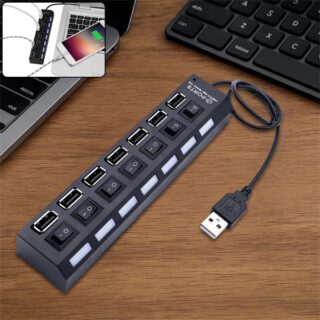 USB Splitter Multi Port USB 2.0 Hub, 7 Port
Original price was: ₹599.00.₹170.00Current price is: ₹170.00.
-
 Dual USB Car Charger Fast Charging Adapter for Mobile Devices
Original price was: ₹1,050.00.₹186.00Current price is: ₹186.00.
Leave a Reply