
- Skill growth from basics to mastery via kingdom casino gaming fun
- Understanding the Foundations of Casino Gaming
- The Role of Probability and Statistics
- Developing Strategic Thinking Through Gameplay
- Adapting to Different Game Styles
- The Psychological Aspects of Gaming
- Mastering Emotional Intelligence
- The Continuous Learning Curve
- Evolving Beyond the Game: Transferable Skills
Skill growth from basics to mastery via kingdom casino gaming fun
The world of online gaming is constantly evolving, offering enthusiasts endless opportunities for entertainment and skill development. Within this dynamic landscape, platforms like kingdom casino have emerged as popular destinations for players seeking a diverse range of gaming experiences. These platforms aren’t simply about chance; they can be valuable tools for honing strategic thinking, risk assessment, and decision-making abilities. From classic table games to innovative slot titles, the options available cater to a broad spectrum of preferences and skill levels, making them an accessible entry point for newcomers and seasoned players alike.
However, viewing these platforms solely as sources of amusement overlooks their potential for fostering genuine skill growth. The intricate rules, strategic complexities, and psychological elements involved in many games can significantly contribute to cognitive development. Successful participation requires learning to analyze information, adapt to changing circumstances, and manage resources effectively – skills transferable to numerous aspects of life beyond the virtual realm. The key lies in approaching gaming not just as a leisure activity, but as a practice ground for enhancing critical thinking and strategic prowess.
Understanding the Foundations of Casino Gaming
Before diving into the nuances of skill development within a casino environment, it's crucial to understand the core principles that underpin these games. Many popular casino games, like poker and blackjack, aren’t purely based on luck. They involve a significant element of strategy, requiring players to make calculated decisions based on probabilities and opponent behavior. This demands a foundational understanding of game rules, betting systems, and statistical analysis. A casual player might approach a game randomly, hoping for the best, while a skilled player will consistently evaluate their odds and make choices that maximize their potential for success. The ability to interpret probabilities, for example, is paramount in games like craps, where understanding the likelihood of specific outcomes can dramatically improve a player’s decision-making.
The Role of Probability and Statistics
Probability and statistics are the cornerstones of informed decision-making in casino gaming. Understanding the house edge – the statistical advantage the casino has in any given game – is perhaps the most important concept for any aspiring player. This knowledge allows individuals to identify games where their skill can potentially offset the house edge, and to focus their efforts accordingly. Further statistical analysis, such as calculating expected value, enables players to assess the long-term profitability of different strategies. Learning to track patterns, analyze data, and adjust gameplay based on statistical insights can significantly elevate a player’s performance over time, transforming them from a passive participant to a proactive strategist. It's not about eliminating risk, but about making educated guesses with the best possible information.
| Blackjack (Optimal Strategy) | 0.5% | High |
| Baccarat (Banker Bet) | 1.06% | Low |
| Craps (Pass Line Bet) | 1.41% | Medium |
| European Roulette | 2.7% | Low |
As the table demonstrates, the skill factor can significantly impact the player's chances of winning, even in games with a relatively low house edge. Mastering optimal strategies in blackjack, for instance, can bring the house edge down to a minimal level.
Developing Strategic Thinking Through Gameplay
Beyond understanding probabilities, cultivating strategic thinking is essential for consistent success. This involves the ability to anticipate opponent moves, adapt to changing game conditions, and formulate long-term plans. Games like poker are particularly effective in honing these skills, as they demand players to constantly read their opponents, bluff effectively, and manage their bankroll responsibly. The mental discipline required to maintain composure under pressure and avoid emotional decision-making is also a valuable byproduct of regular gameplay. Furthermore, the need to adapt to different playing styles and table dynamics fosters flexibility and resourcefulness – qualities highly sought after in various professional settings. This isn't simply about winning; it's about the process of learning to think critically and make sound judgments under pressure.
Adapting to Different Game Styles
No two gaming sessions are ever quite the same. The dynamics of a table, the playing styles of opponents, and even the overall atmosphere can influence outcomes. Therefore, the ability to adapt is paramount. A rigid adherence to a single strategy, while potentially effective in certain situations, can prove disastrous when confronted with unexpected challenges. Skilled players learn to recognize shifting game conditions and adjust their approach accordingly. This might involve altering their betting patterns, changing their bluffing frequency, or even switching to a different game altogether. The key is to remain observant, flexible, and willing to experiment with different tactics to find what works best in any given situation. This adaptability isn’t restricted to casino games; it’s a crucial skill for navigating the complexities of everyday life.
- Observation: Constantly monitor opponent behavior and identify patterns.
- Flexibility: Be willing to adjust your strategy as the game evolves.
- Risk Management: Understand and manage your potential losses effectively.
- Emotional Control: Avoid making impulsive decisions based on frustration or excitement.
By prioritizing these elements, players can significantly enhance their strategic thinking and improve their overall performance. The mindful application of these principles will result in well-calculated moves and a better understanding of the game’s intricacies.
The Psychological Aspects of Gaming
Casino games are not merely intellectual exercises; they are deeply psychological experiences. Understanding the psychological factors at play – both in oneself and in opponents – is crucial for achieving consistent success. Concepts like game theory, behavioral economics, and emotional intelligence all come into play. For example, recognizing cognitive biases in opponents, such as the gambler's fallacy (the belief that past events influence future independent events), can provide a significant advantage. Similarly, maintaining emotional control and avoiding tilt (making irrational decisions due to frustration) is essential for preventing costly mistakes. The ability to read body language, interpret verbal cues, and detect deception also adds another layer of sophistication to a player’s skillset.
Mastering Emotional Intelligence
Emotional intelligence – the ability to perceive, understand, manage, and utilize emotions – is arguably one of the most important skills a player can develop. It allows individuals to remain calm under pressure, make rational decisions, and effectively manage their own emotional responses. This is particularly crucial in high-stakes games where the potential for large wins or losses can trigger strong emotional reactions. Players with high emotional intelligence are less likely to succumb to tilt, more capable of reading their opponents, and better equipped to navigate the psychological challenges of competitive gaming. Developing emotional intelligence is not just beneficial for casino games; it’s a valuable asset in all areas of life, fostering stronger relationships, improved communication, and greater overall well-being.
- Self-Awareness: Recognize your own emotional triggers and biases.
- Self-Regulation: Manage your emotions and avoid impulsive reactions.
- Empathy: Understand the perspectives and emotions of your opponents.
- Social Skills: Communicate effectively and build rapport with others.
Cultivating these elements of emotional intelligence will contribute to a more composed and strategic approach to gaming, and life in general.
The Continuous Learning Curve
Skill development in casino gaming is not a one-time achievement; it’s a continuous process of learning, adaptation, and refinement. The gaming landscape is constantly evolving, with new games, strategies, and technologies emerging all the time. Successful players are those who embrace lifelong learning and remain committed to honing their skills. This might involve studying advanced game theory, analyzing opponent tendencies, or experimenting with new strategies. Networking with other players and sharing insights can also provide valuable learning opportunities. It’s important to remember that even the most experienced players encounter setbacks and make mistakes. The key is to view these as learning opportunities and use them to refine one’s approach.
Evolving Beyond the Game: Transferable Skills
The benefits of engaging with platforms like kingdom casino, and others centered around strategic games, extend far beyond the virtual realm. The skills honed through consistent play – strategic thinking, risk assessment, emotional control, and data analysis – are highly transferable to numerous real-world scenarios. Consider a financial analyst carefully evaluating investment opportunities, a project manager mitigating potential risks, or a negotiator seeking a favorable outcome. All of these roles demand the same core skills that are developed and refined through strategic gaming. In essence, the disciplined practice of gaming can serve as a valuable training ground for enhancing cognitive abilities and improving performance in various professional and personal pursuits. The mental agility developed can lead to innovative problem solving in a wide range of life situations.

Top rated
-
 Portable Wireless Rechargeable Speaker Bluetooth Speaker
Original price was: ₹2,400.00.₹1,650.00Current price is: ₹1,650.00.
-
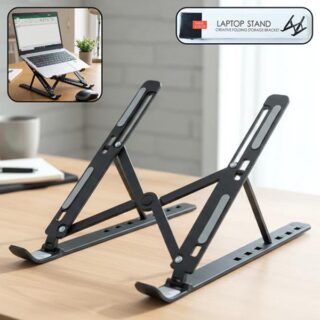 Plastic Adjustable Portable Tablet Stand – Ergonomic Holder Riser (Up to 14 inch)
Original price was: ₹499.00.₹50.00Current price is: ₹50.00.
-
 Wrist Mouse Pad with Comfortable Support Cushion
Original price was: ₹120.00.₹40.00Current price is: ₹40.00.
-
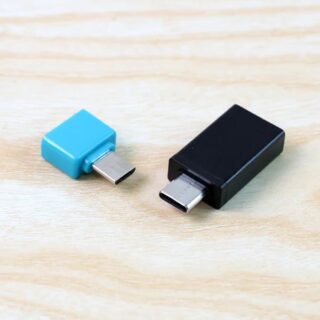 USB Micro & Type-C to USB-A OTG Adapter - (2 Pc / Set)
Original price was: ₹99.00.₹14.00Current price is: ₹14.00.
-
 Wired Headset with Adjustable Headband & Noise-Isolating Mic Set
Original price was: ₹3,000.00.₹1,250.00Current price is: ₹1,250.00.
Products
-
 Portable Mini USB Humidifier with Silent Mist for Bedroom, Office & Travel
Original price was: ₹200.00.₹108.00Current price is: ₹108.00.
-
 Spiral Charger Spring Cable Protector Data Cable Saver (Pack of 4)
Original price was: ₹95.00.₹15.00Current price is: ₹15.00.
-
 Spiral Cable Protector Sleeve (1 Pc / Mix Color)
Original price was: ₹100.00.₹30.00Current price is: ₹30.00.
-
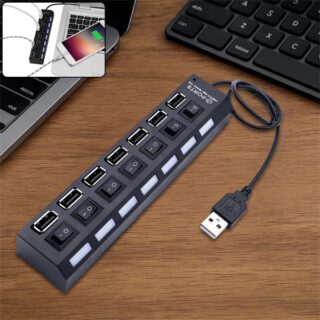 USB Splitter Multi Port USB 2.0 Hub, 7 Port
Original price was: ₹599.00.₹170.00Current price is: ₹170.00.
-
 Dual USB Car Charger Fast Charging Adapter for Mobile Devices
Original price was: ₹1,050.00.₹186.00Current price is: ₹186.00.
Leave a Reply